

Tendonitis & Tendinopathy Treatment In Cheltenham
Whether you've developed pain after increasing your training, spending long hours at work, or simply carrying out everyday activities, tendon pain can quickly become frustrating. At West Healthcare, we provide personalised tendonitis treatment in Cheltenham, combining evidence-based chiropractic care, rehabilitation advice and diagnostic musculoskeletal ultrasound to help you better understand your injury and support your recovery.
Why Choose West Healthcare For Tendon Rehabilitation?
Master's-qualified chiropractor with postgraduate qualifications in diagnostic musculoskeletal ultrasound
Personalised assessments that focus on identifying the cause of your tendon pain, not just the symptoms
Evidence-based rehabilitation tailored to your lifestyle, work and activity levels
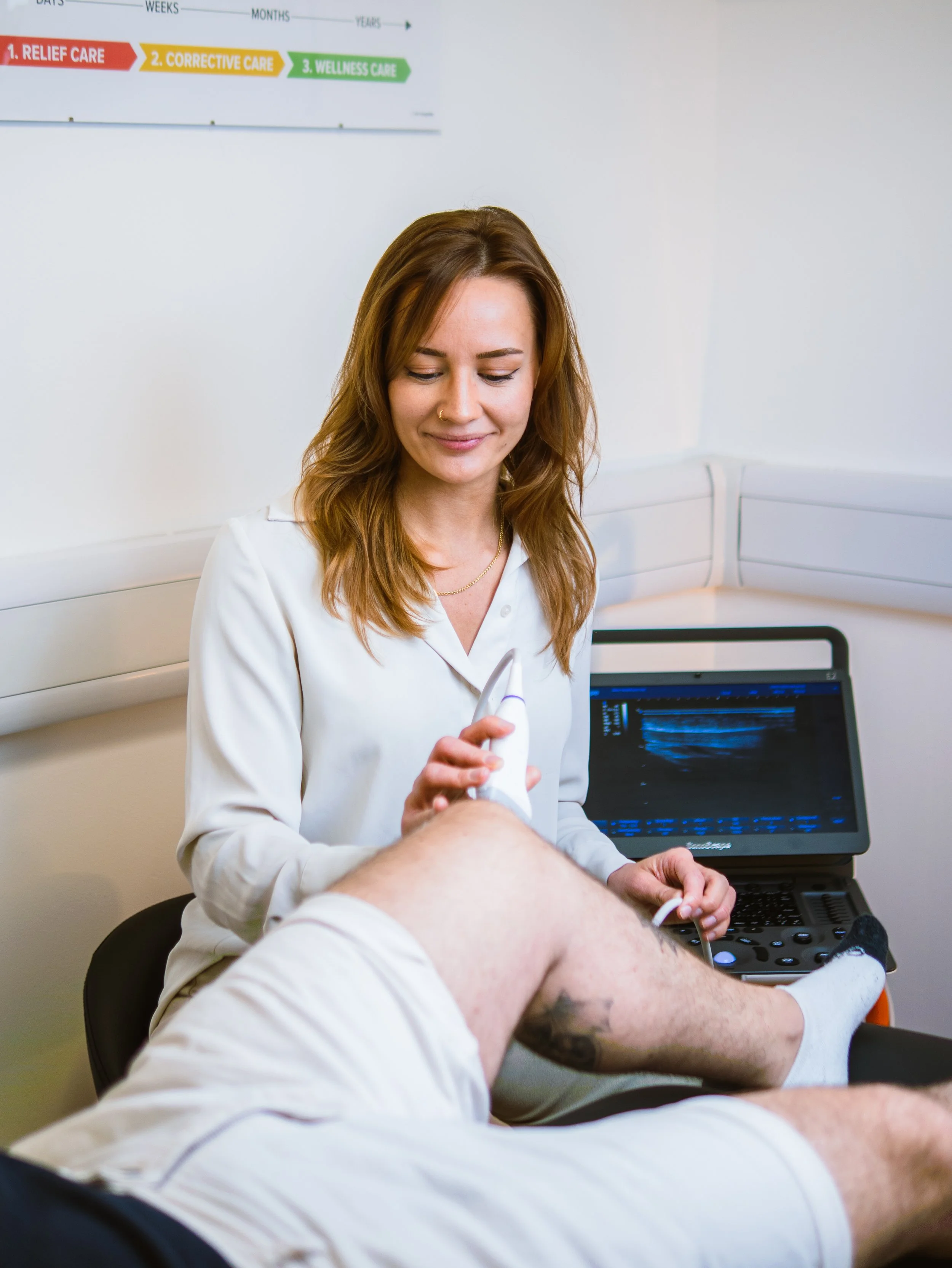
Diagnostic ultrasound available where clinically appropriate to provide greater insight into tendon injuries
Registered with the General Chiropractic Council (GCC), British Chiropractic Association (BCA) and Royal College of Chiropractors (RCC)
Female-led clinic with experience supporting a wide range of musculoskeletal conditions.
Accepted by WPA, Vitality and Aviva, with GP referrals welcome
Clear advice, realistic expectations and ongoing support throughout your recovery
What Is Tendonitis & Tendinopathy?
If you've been searching for tendon pain, you've probably seen the terms tendonitis and tendinopathy. Although they're often used interchangeably, they describe slightly different stages of tendon injury.
Tendonitis traditionally refers to inflammation following an acute injury, while tendinopathy is the term more commonly used for longer-term tendon changes caused by repeated strain or overuse. Most people still search for "tendonitis", and both terms are widely recognised.
Think of a tendon like a strong rope. When it's repeatedly overloaded without enough recovery, its fibres can weaken over time, leading to pain, stiffness and reduced function. Understanding the cause of your symptoms is the first step towards choosing the right management plan.

Common Symptoms Of Tendon Pain
Tendons respond to the amount of load placed upon them. When that load increases faster than the tendon can adapt, pain may develop.
Common contributing factors include:
Sudden increases in training or exercise
Repetitive movements at work
Poor recovery between activities
Previous tendon injuries
Changes in technique or equipment
Muscle weakness or reduced joint mobility
Age-related changes in tendon resilience
In many cases, there isn't one single cause. Instead, tendon pain often develops because several small factors combine over time.
When To Seek Professional Advice
Many mild aches improve with sensible activity modification, but it's worth arranging an assessment if:
Pain has lasted more than two weeks
Symptoms keep returning
You can no longer exercise comfortably
Everyday activities are becoming painful
You notice reduced strength or function
You're unsure exactly what's causing the pain
If your symptoms follow a significant injury, you hear a sudden "pop", or you're unable to use the affected limb, seek prompt medical assessment as this may require urgent investigation.
Common Causes Of Tendon Problems
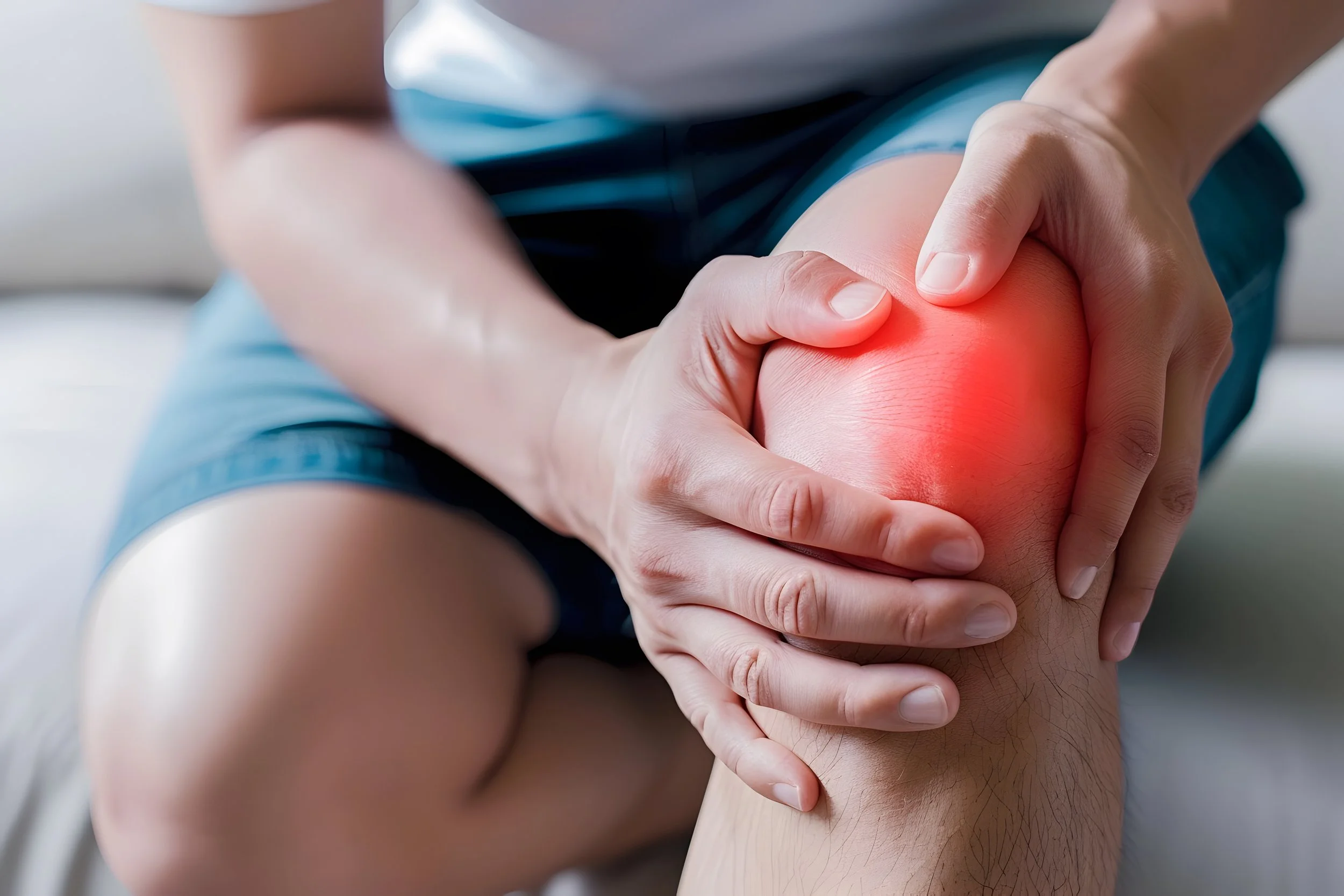
Symptoms vary depending on which tendon is affected, but commonly include:
Pain during or after activity
Stiffness first thing in the morning
Tenderness when pressing on the tendon
Reduced strength or confidence using the affected limb
Pain that improves slightly during movement before returning afterwards
Difficulty returning to sport or exercise
These symptoms can develop gradually over weeks or months, which is one reason tendon problems are sometimes ignored until they begin affecting daily life.
How We Help With Tendonitis & Tendinopathy
At West Healthcare, we look beyond the painful tendon to understand what's contributing to your symptoms. Your assessment considers factors such as joint movement, muscle function and activity levels before recommending the most appropriate treatment.
Where clinically appropriate, we may use diagnostic musculoskeletal ultrasound alongside your assessment to build a clearer picture of the tendon and surrounding soft tissues. From there, we'll create a personalised plan that may include chiropractic care, rehabilitation advice and a gradual return to activity.
Learn more about our chiropractic care or diagnostic ultrasound scans.
Methods We May Use To Support Tendon Recovery
No two tendon injuries are exactly alike, which is why your treatment plan will depend on your symptoms, goals and the findings from your assessment. We may recommend one or more of the following approaches to support your recovery

-
Chiropractic treatment may help improve how your joints and muscles work together, reducing unnecessary strain on the affected tendon. Restoring movement in nearby joints can also help improve the way forces are distributed through the body during everyday activities and exercise.
Learn more about our chiropractic care.
-
Where clinically appropriate, diagnostic musculoskeletal ultrasound can provide real-time images of tendons and surrounding soft tissues. This can help us gain a better understanding of your injury and explain the findings as part of your assessment.
Find out more about our ultrasound scans or what we can scan.
-
Successful tendon rehabilitation often involves gradually reintroducing load rather than avoiding activity completely. We'll provide personalised advice and exercises that are appropriate for your stage of recovery, helping you return to work, sport or everyday life with greater confidence.
If diagnostic imaging is appropriate, this will also be discussed during your consultation.
Who May Benefit From Tendon Rehabilitation?
Tendon rehabilitation may be suitable for people who:
Have pain that develops during or after activity
Experience recurring tendon injuries
Want to return to sport safely
Have physically demanding jobs
Are struggling with shoulder, elbow, knee or Achilles tendon pain
Want a clearer understanding of what's causing their symptoms
If your tendon pain is affecting your daily routine or preventing you from doing the activities you enjoy, a professional assessment may help identify the most appropriate next steps.

Who May Benefit From Tendon Rehabilitation?
Tendon rehabilitation may be suitable for people who:
Have pain that develops during or after activity
Experience recurring tendon injuries
Want to return to sport safely
Have physically demanding jobs
Are struggling with shoulder, elbow, knee or Achilles tendon pain
Want a clearer understanding of what's causing their symptoms
If your tendon pain is affecting your daily routine or preventing you from doing the activities you enjoy, a professional assessment may help identify the most appropriate next steps.
Although many tendon problems respond well to conservative management, not every injury should be managed in the same way.
If your pain follows a significant accident, you're unable to move the affected limb, notice sudden weakness after hearing a pop, or have severe swelling, it's important to seek prompt medical assessment.
Similarly, if your symptoms continue to worsen despite modifying your activity, speaking with a healthcare professional can help ensure the correct diagnosis and management plan.
Important Considerations And When To Seek Further Advice

Why Choose West Healthcare?
At West Healthcare, we combine evidence-based chiropractic care with advanced diagnostic musculoskeletal ultrasound to provide a thorough understanding of your condition. Rather than focusing solely on the painful tendon, we consider how your movement, lifestyle and overall musculoskeletal health may be contributing to your symptoms.
As a master's-qualified chiropractor with postgraduate training in diagnostic ultrasound, Victoria West provides personalised assessments and rehabilitation plans designed around your individual needs, helping you make informed decisions about your recovery.
You can learn more about Victoria West or read what patients say on our testimonials page.
Areas We Cover
Our clinic is based in Cheltenham, where we support patients experiencing tendon pain and other musculoskeletal conditions. We also welcome patients from the surrounding areas, including Gloucester, particularly for diagnostic ultrasound services.
-
Tendonitis usually refers to inflammation of a tendon, while tendinopathy is a broader term describing longer-term changes within the tendon. Although healthcare professionals often use different terminology, many people still search for "tendonitis" online.
-
Chiropractic care may help improve joint movement, reduce unnecessary strain and support tendon rehabilitation where appropriate. Your treatment plan will always depend on your assessment and individual needs.
-
Not everyone requires imaging. If diagnostic ultrasound is clinically appropriate, we'll explain why it may be beneficial as part of your assessment.
-
Recovery varies depending on the tendon involved, how long symptoms have been present and your individual circumstances. We'll discuss realistic expectations and your rehabilitation plan during your appointment.
Frequently Asked Questions
Persistent tendon pain doesn't have to become something you simply put up with. Whether your symptoms started after sport, work or everyday activities, we're here to help you better understand your condition and explore the most appropriate management options.
If you're looking for personalised tendonitis treatment in Cheltenham, book your appointment today or contact our team to discuss your symptoms.
Disclaimer: This page is intended for general information only and should not be considered a diagnosis or a substitute for personalised medical advice. If you have severe symptoms, a sudden injury or concerns about your health, seek advice from an appropriate healthcare professional.