

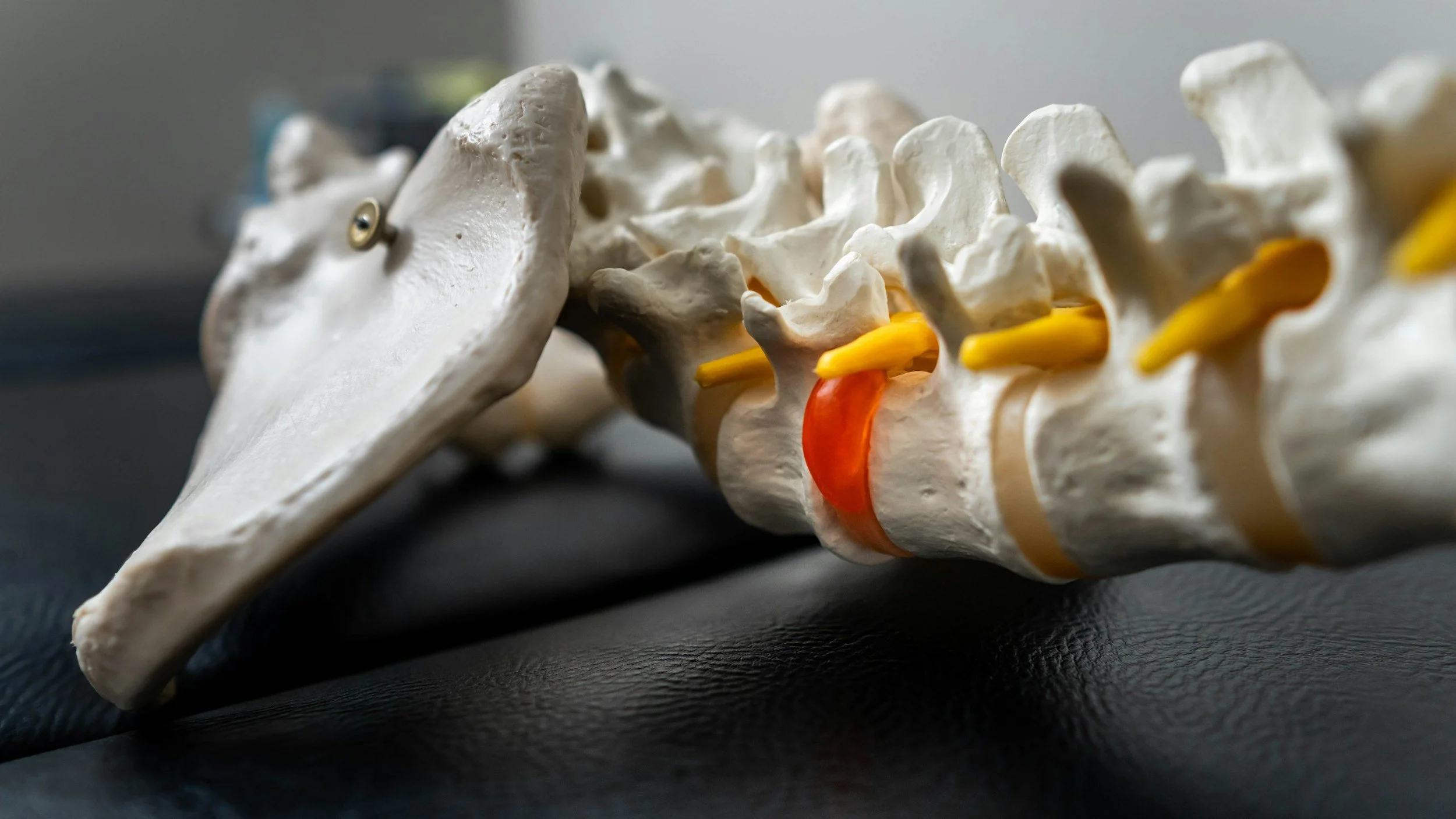
If you are researching what fascia is and how it relates to movement, stiffness, or ongoing pain, you are not alone. Interest in fascia and musculoskeletal pain has grown significantly in recent years, particularly among people experiencing tension, restricted movement, recurring injuries, or discomfort that does not seem to improve with rest alone.
At West Healthcare, we help patients better understand how the body moves as a connected system. Fascia plays an important role in how muscles, joints, nerves, and soft tissues function together, which is why restrictions or tension within fascial tissue may contribute to pain and movement problems.
What Is Fascia & Why Does It Matter for Movement and Pain?
Speak to a Chiropractor Who Understands Movement & Soft Tissue Function
Master’s-qualified chiropractor and diagnostic sonographer
Registered with the General Chiropractic Council and British Chiropractic Association
Experience supporting movement-related pain and musculoskeletal dysfunction
Specialist interest in hypermobility, pregnancy care, and soft tissue health
Evidence-based chiropractic care focused on long-term improvement
Female-led clinic supporting patients across Cheltenham and Gloucestershire
Clear explanations and honest, patient-centred advice
If you would like to discuss your symptoms with our clinic, call 01242 502065 or email vw@westhealthcare.uk.
What Is Fascia?
Fascia is a type of connective tissue found throughout the body. It surrounds and supports muscles, joints, nerves, tendons, organs, and blood vessels, helping different parts of the body move and function together.
Rather than viewing the body as separate structures working independently, fascia highlights how interconnected the musculoskeletal system really is.
Healthy fascia is flexible and adaptable. It allows tissues to glide smoothly during movement and helps distribute force across the body. However, when fascia becomes restricted, irritated, overloaded, or less mobile, this may contribute to:
Stiffness and restricted movement
Muscle tightness and tension
Persistent aches and pains
Reduced flexibility
Compensation patterns during movement
Increased strain on surrounding joints and tissues
This is why fascia movement pain has become an important topic in modern musculoskeletal healthcare.
For a broader understanding of how we support musculoskeletal health, explore our Ask The Expert hub.

Why Fascia Matters for Movement
Movement relies on coordination between muscles, joints, nerves, and connective tissues. Fascia helps link these systems together.
When fascial tissue moves well, the body is generally able to:
Transfer force efficiently
Move more freely
Adapt to physical demand
Recover more effectively after strain
Maintain better movement patterns
When movement becomes limited, the body often compensates elsewhere. This may increase stress on nearby tissues and contribute to ongoing discomfort.
For example:
Tightness in the hips may influence lower back movement
Upper back stiffness may affect shoulder mechanics
Restricted movement patterns may alter walking, lifting, or posture
At West Healthcare, assessment focuses on understanding these wider movement relationships rather than looking only at the area that hurts.
You can learn more about our clinical approach on our About Us page.

Fascial tissue itself can become sensitive and irritated, particularly following injury, repetitive strain, prolonged inactivity, stress, or compensation from other musculoskeletal problems.
Patients often describe symptoms such as:
Tightness that keeps returning
Diffuse or difficult-to-pinpoint pain
Pain that changes with movement or posture
A feeling of pulling or restriction
Reduced mobility despite stretching
Ongoing discomfort after injury recovery
Fascial restrictions may coexist with:
Neck pain
Lower back pain
Sports injuries
Tendon irritation
Postural strain
Joint stiffness
Pregnancy-related musculoskeletal discomfort
This is one reason why fascia pain treatment is rarely about a single technique or isolated area of the body. Understanding how the body moves as a whole is often more important.
If you are experiencing recurring pain linked to activity or movement, explore our sports injury support or speak to our clinic directly.
Fascia & Musculoskeletal Pain
How Chiropractic Care Relates to Fascia
Improving Joint Mobility
Restricted joints can alter movement patterns and increase strain through surrounding tissues. Restoring movement may help reduce compensatory tension.
Reducing Muscle Tightness
Muscle tension and fascial restriction are often closely connected. Soft tissue techniques may help improve comfort and movement.
Supporting Better Movement Patterns
Poor movement habits, repetitive strain, and postural stress can all contribute to ongoing dysfunction. Chiropractic care aims to improve how the body moves overall.
Encouraging Long-Term Recovery
Effective management often includes movement advice, rehabilitation guidance, and practical strategies to support long-term improvement.
If you would like to understand more about chiropractic care beyond spinal pain, visit our page on what chiropractic care can help with.
Chiropractic care focuses on improving movement, reducing mechanical strain, and supporting healthy musculoskeletal function. While chiropractic treatment does not specifically “treat fascia” as a standalone structure, it may help address factors that influence fascial tension and movement quality.
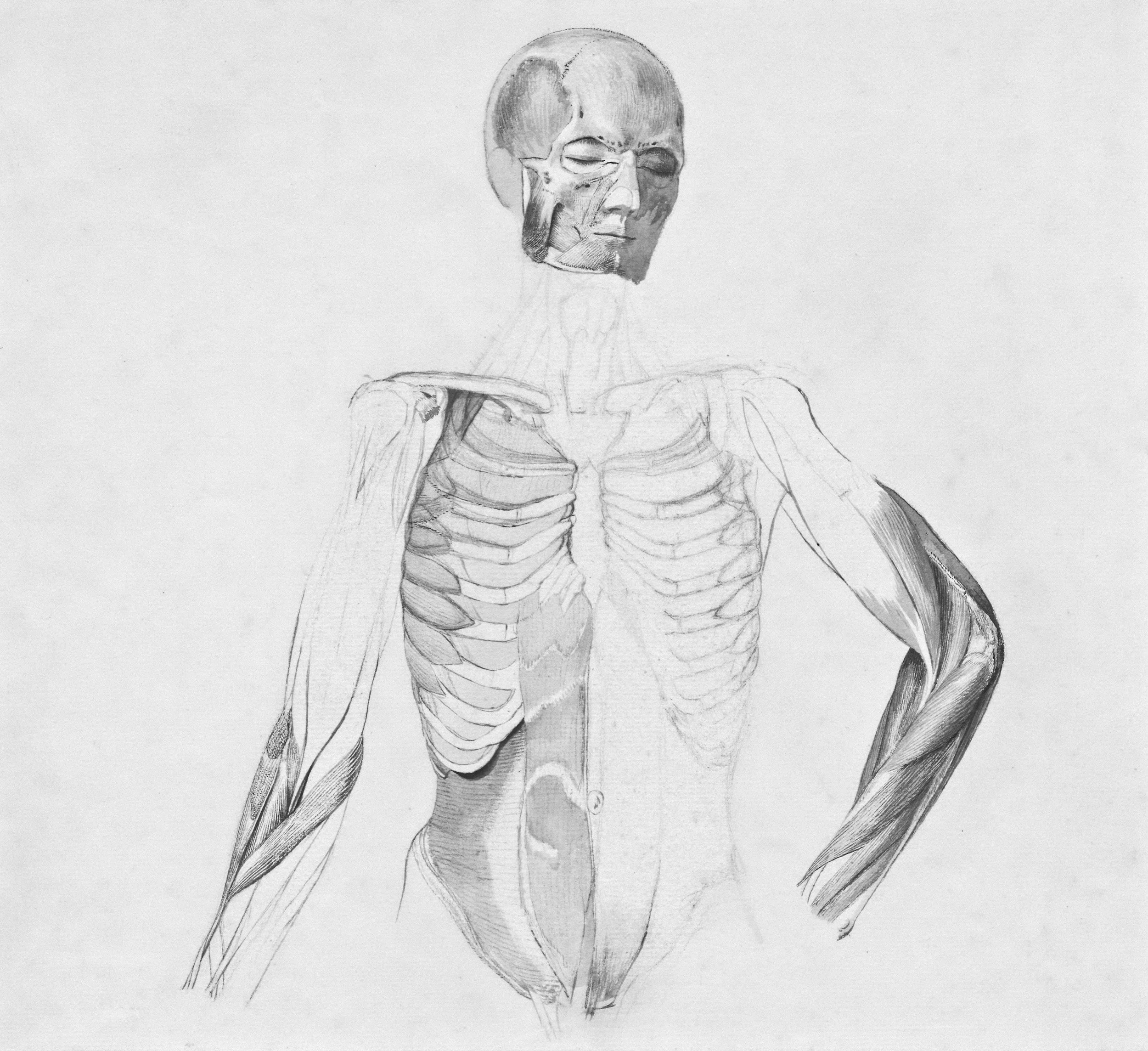
Common Problems Associated With Fascial Restriction
Fascial dysfunction may contribute to a wide range of movement-related symptoms.
These can include:
Persistent muscle tightness
Reduced flexibility despite stretching
Pain during movement or exercise
Postural discomfort from desk work
Tension headaches linked to upper body stiffness
Recurrent sports injuries
Pain that shifts between different areas of the body
In many cases, symptoms develop gradually over time rather than following a single injury.
This is particularly common in people with:
Sedentary work habits
Repetitive movement demands
Previous injuries
Hypermobility
Pregnancy-related postural changes
Reduced activity levels
Understanding these patterns is an important part of fascia chiropractic treatment and broader musculoskeletal care.
Why Understanding Fascia Can Help Patients
Many people become frustrated when pain feels difficult to explain or does not respond to short-term solutions.
Learning more about fascia and movement can help patients understand:
Why pain sometimes spreads beyond one area
Why movement quality matters
Why symptoms can recur without addressing underlying mechanics
Why recovery often requires more than temporary symptom relief
This approach supports more informed decisions about treatment, rehabilitation, and long-term movement health.
You can also learn more about our practitioner’s background and specialist interests on the Victoria West page.
What to Expect at Your Appointment
Initial Consultation
We discuss your symptoms, activity levels, lifestyle, and previous injuries in detail.
Movement & Musculoskeletal Assessment
This includes posture, joint movement, muscular tension, and functional assessment.
Clear Explanation
You will receive a straightforward explanation of findings and whether chiropractic care may be appropriate.
Tailored Care Plan
Where suitable, treatment focuses on improving movement quality, reducing tension, and supporting recovery safely.
You can view appointment details and fees on our pricing page.
Appointments at West Healthcare focus on understanding how your body moves and what may be contributing to your symptoms.
Frequently Asked Questions
-
Fascia is connective tissue that surrounds and supports muscles, joints, nerves, and organs throughout the body.
-
Fascial restriction or irritation may contribute to stiffness, tension, and movement-related discomfort.
-
Chiropractic care focuses on improving movement and reducing musculoskeletal strain, which may help support healthier fascial function.
-
Reduced movement, repetitive strain, stress, injury, and compensation patterns can all contribute to tension within connective tissues.
-
Yes. Fascia helps connect different structures throughout the body and plays an important role in movement efficiency and flexibility.
For wider healthcare guidance on musculoskeletal conditions, visit the NHS musculoskeletal advice pages.
Supporting Patients Across Cheltenham & Beyond
West Healthcare supports patients experiencing movement-related pain, stiffness, and musculoskeletal discomfort across:
Cheltenham
Gloucester
Surrounding areas of Gloucestershire
Clinic location:
West Healthcare
Festival House (Room 0.04)
Jessop Avenue
Cheltenham
GL50 3SH
Phone: 01242 502065 Email: vw@westhealthcare.uk
Book Your Consultation & Understand Your Movement Better
If stiffness, tension, or recurring pain is affecting how you move and feel, understanding the role of fascia and movement patterns may help provide clearer answers.
At West Healthcare, we focus on evidence-based musculoskeletal care that helps patients understand their symptoms, improve movement quality, and move forward with confidence.
You can also contact our clinic to speak with our team or explore more educational resources in our Ask The Expert hub.